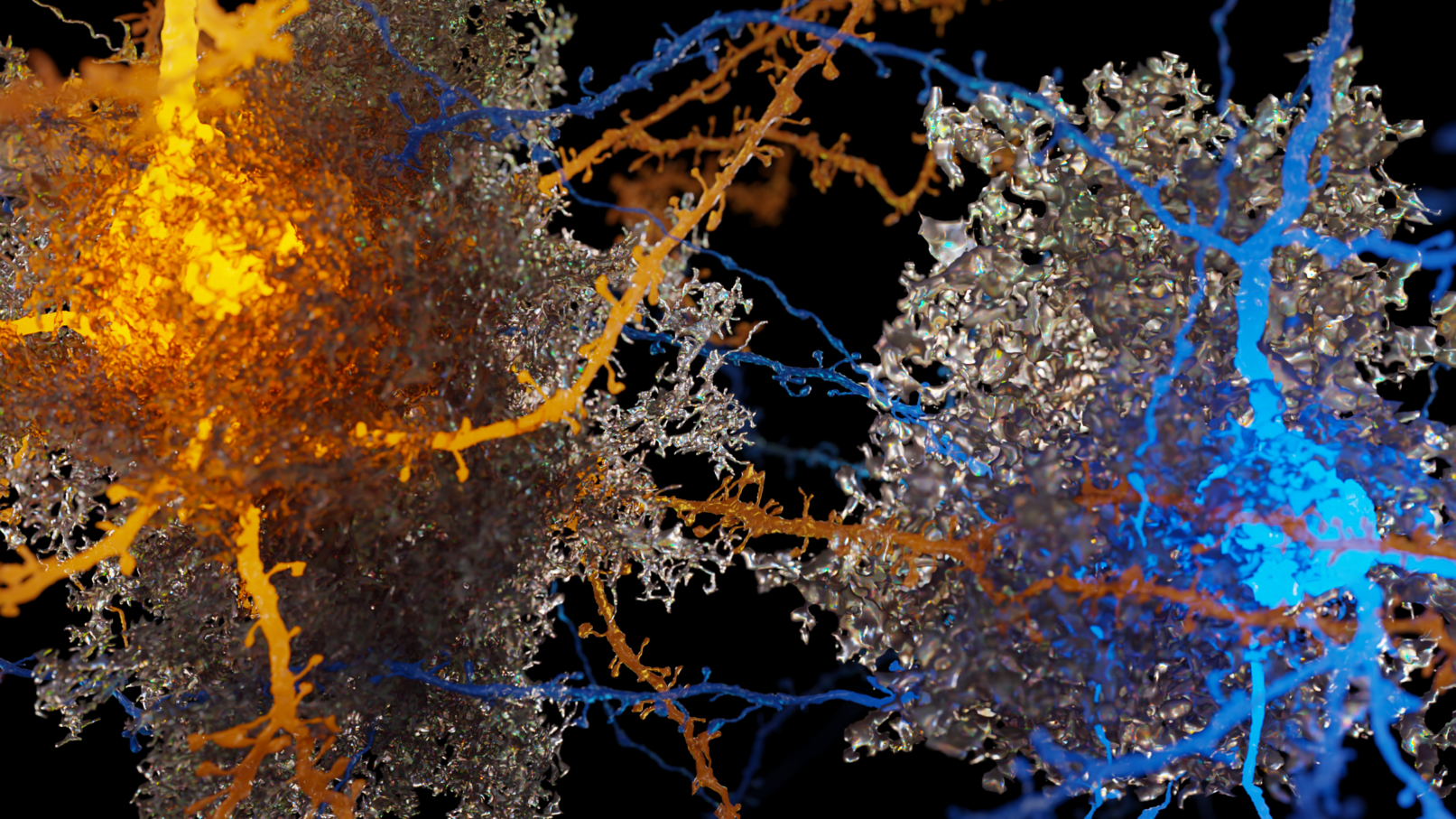
Glial cells, the non-neuronal, supporting cells of the nervous system, are essential for nervous system development and function. Dysfunction in glial cell development has been linked to neurodevelopmental disorders such as autism spectrum disorder and schizophrenia. We want to understand how glial cells in the central nervous system acquire their complex morphology and specialized functions. To tackle this problem, we employ the power of genetics, performing high-throughput genetic screens in fruit flies and zebrafish. We are especially excited to uncover how neurons send molecular and cellular cues that guide glial cell development. By defining the mechanisms of glial cell development in health, we hope to shed light upon what happens when this process goes awry in disease.
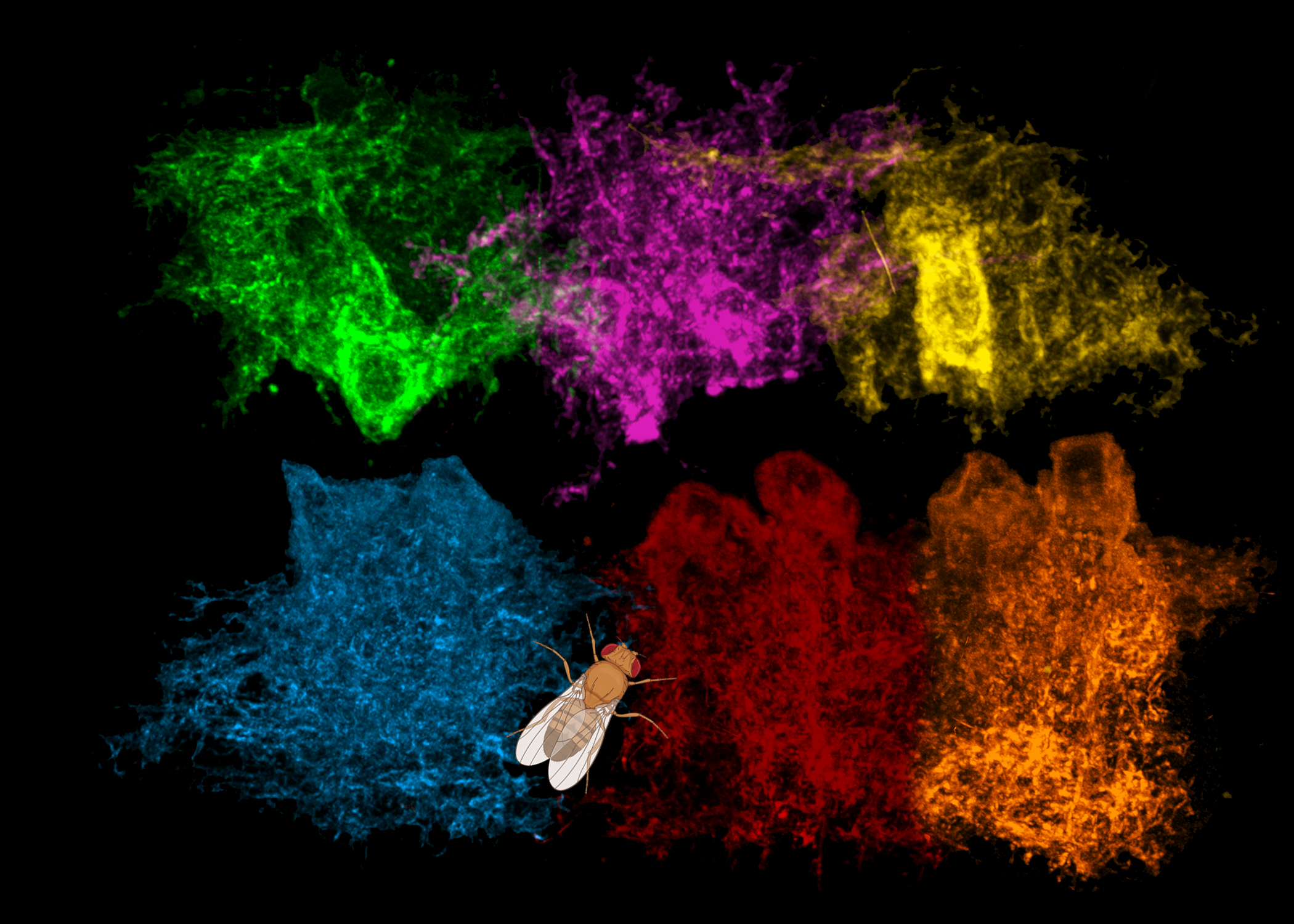
Glial cell development involves complex and numerous molecular signals that work together. In order to identify all the cell-intrinsic and cell-extrinsic cues that glia use to develop, we perform genetic screens in fruit flies. Fruit flies are a fantastic model organism for genetic screens, with amazing genetic toolkits and a short life cycle. Within a week, you can already see the results of your genetic manipulations!
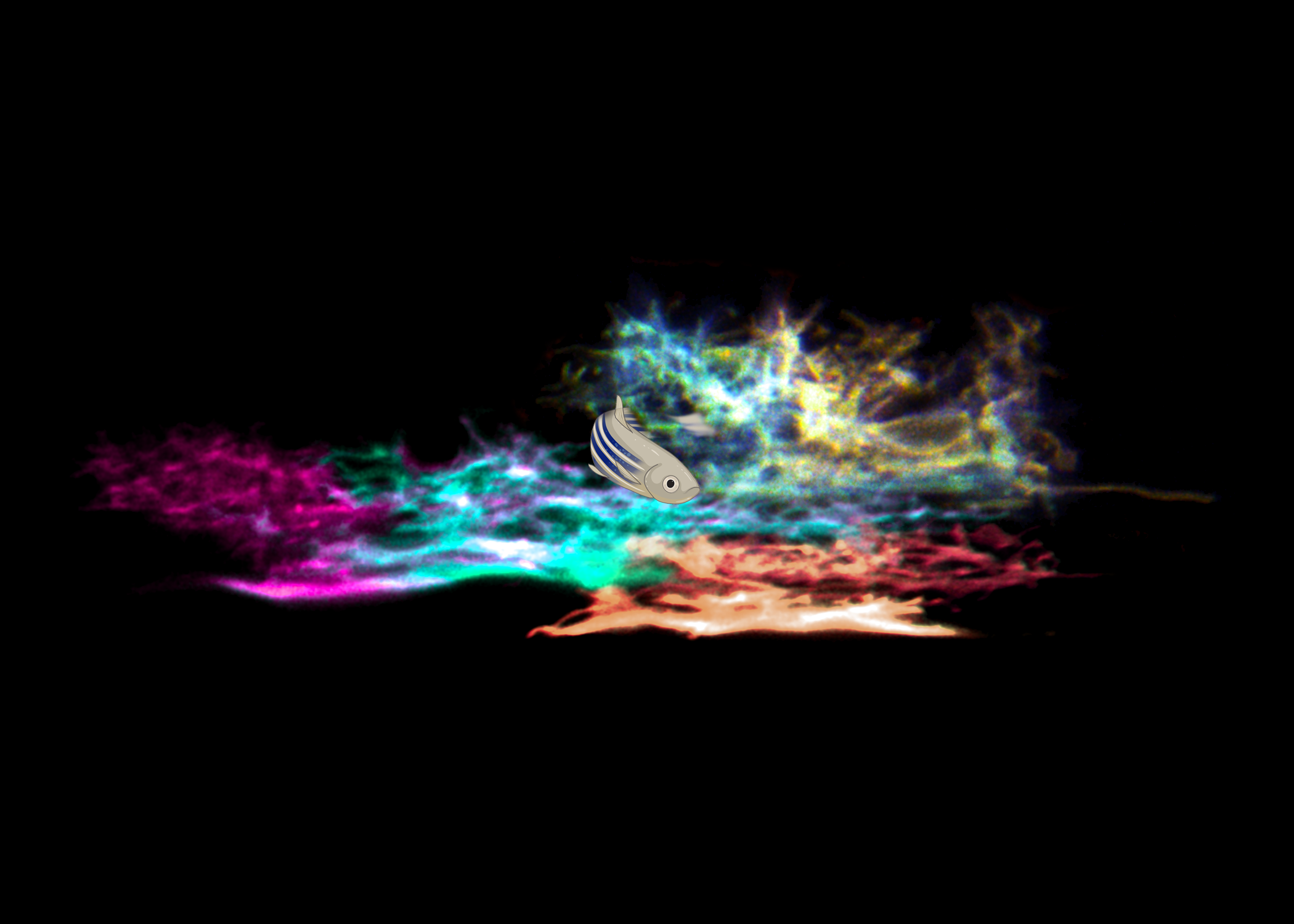
Larval zebrafish are the only model organism that let us directly watch glial cells specify and mature, all within an intact, living animal. They also harbor all the major mammalian glial cell types (astrocytes, oligodendrocyte lineage cells, and microglia), making them an ideal system for investigating conserved mechanisms of glial cell development at the molecular and cellular levels. We use live imaging in larval zebrafish to capture the dynamics of glial cell development as it occurs in vivo.
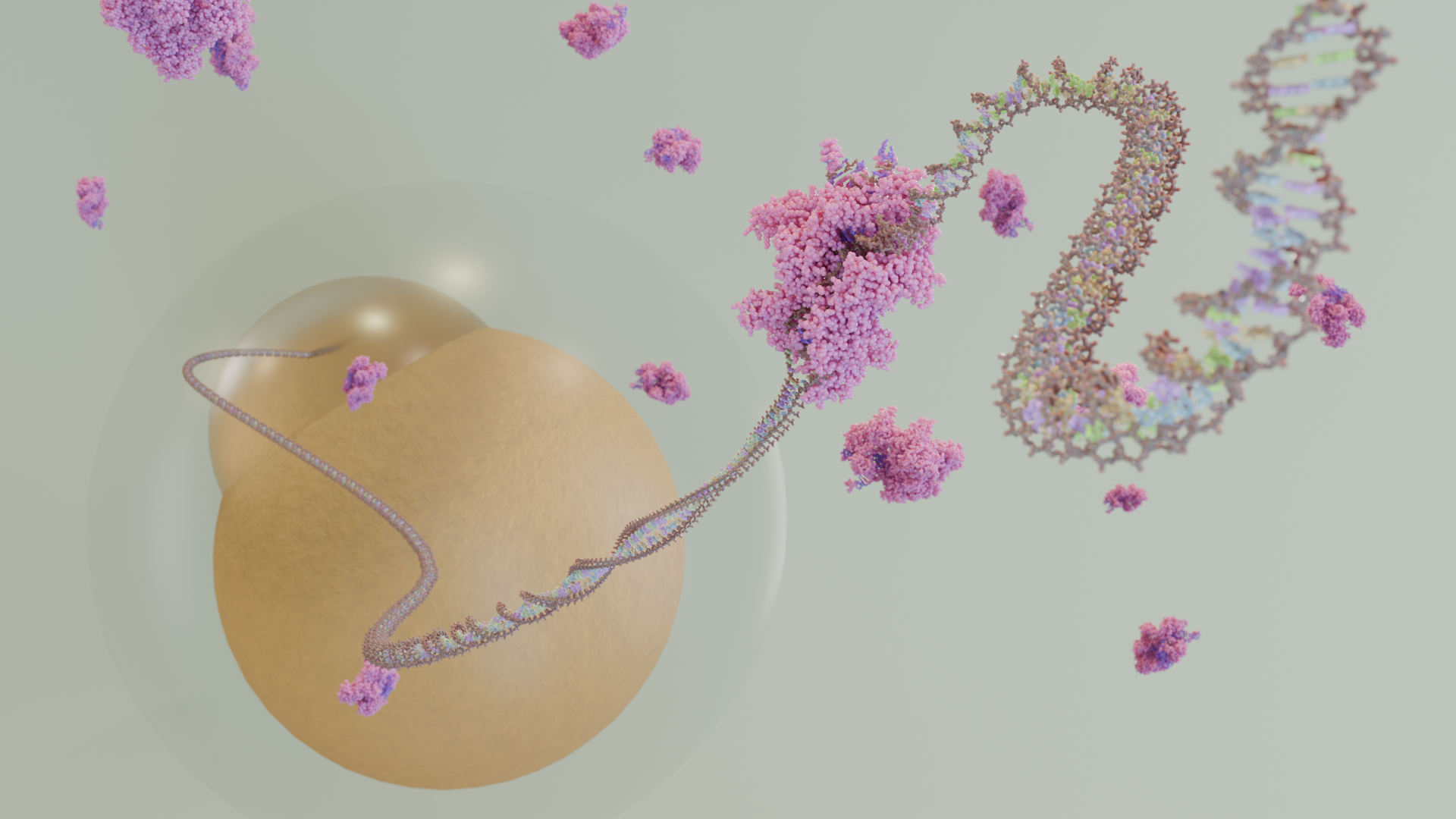
We are excited to improve existing genetic tools and build new ones to expand the genetic toolkits available for zebrafish research. Zebrafish embryos are large (over 0.5 mm in size) and extremely amenable for direct injections of DNA to test new genetic constructs. Within days of injection, you can already visualize the targeted cells in vivo, making zebrafish a dream setup for developing genetic tools.